There are seven recognised species of marine turtles worldwide. Six of these are found in and around the Caribbean: the Leatherback, Green, Loggerhead, Kemp's ridley, Olive ridley and Hawksbill. All of them, except for the Olive ridley, are listed as endangered or critically endangered by the World Conservation Union.
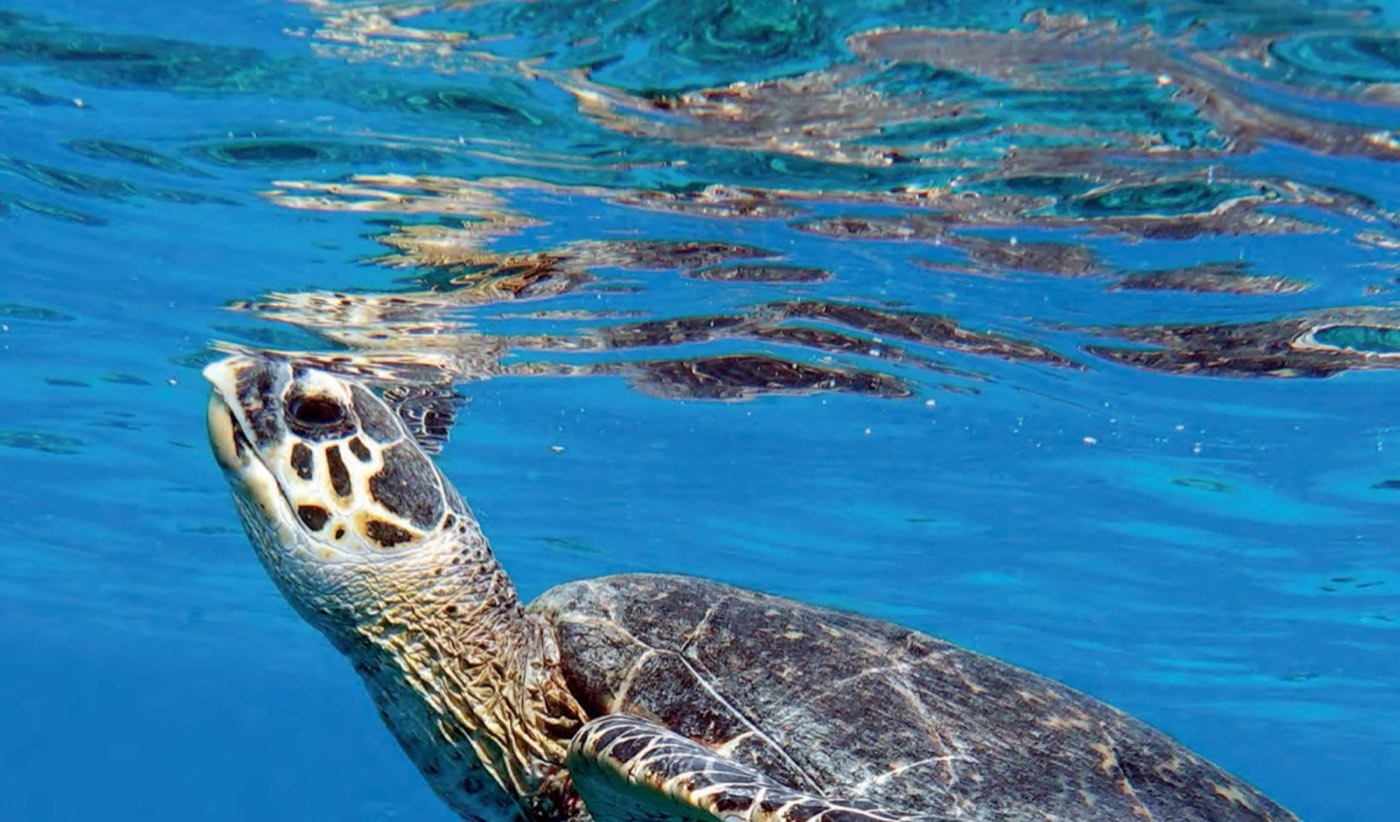
Having declined by at least 80% in the last three generations, due to multiple threats, including being hunted for their meat, eggs and tortoiseshell and climate change negatively affecting their natural habitats, Hawksbills are currently listed as Critically Endangered.
The Jumby Bay Hawksbill Project (JBHP) is a remarkable and long-standing research and conservation effort in Antigua, and this is what they do:
Individual identification
The JBHP monitors and protects the Hawksbill sea turtle nesting colony on Long Island. So far they have identified and tagged almost 500 nesting Hawksbill sea turtles since the project's inception. This individual identification allows researchers to track the turtles' nesting habits and movements over time.
Hatchling monitoring
The project has also played a crucial role in monitoring Hawksbill sea turtle hatchlings. Hundreds of thousands of hatchlings have been observed as they make their way from their nests down the beach to the ocean, starting their life journeys.
Long-term returns
An exceptional aspect of the JBHP is the discovery that many of the turtles tagged in the late 1980s are still returning to Jumby Bay's beaches more than two decades later. This demonstrates the long-term impact and success of the conservation efforts.
Consistency in research
The core research activity of the JBHP involves nightly and hourly beach patrols to tag nesting Hawksbill sea turtles. This consistency in research methods over the years has been a key factor in the project's success and its recognition in the sea turtle conservation community.
Evolution and adaptation
While the project has continued its core research activities, it has also evolved and adapted to changing conditions and knowledge about sea turtle conservation. This adaptability is essential in addressing new challenges and ensuring the long-term survival of Hawksbill sea turtles.
Community involvement
The JBHP engages with the local community to raise awareness about the importance of sea turtle conservation and to promote responsible tourism practices.