Money matters
While both East Caribbean Dollars (EC$) and US Dollars (US$) are widely accepted, even if you pay in US$, you might receive change in EC$. Many tourist-oriented businesses quote prices in US$, so always clarify which currency you're being charged in to avoid any confusion. Some small businesses, shops, and petrol stations may not accept credit cards, so carrying cash is always a good idea.
Driving tips
If you plan to drive while in Antigua, you'll need to bring your home country's driving licence and purchase a temporary local licence. Driving is on the left side of the road, and while most roads are in fair condition, you should watch out for potholes, wandering livestock and slow-moving vehicles. Be prepared for some local driving quirks, such as cars stopping unexpectedly to chat with friends. A friendly beep is usually a greeting rather than a sign of impatience. If this happens, be patient and just pass when you can.
Local transportation
Local buses are an affordable and authentic way to get around. The fare is generally around EC$3 and buses operate on a fairly informal schedule, with locals being more than happy to guide you. Taxis are also readily available, and drivers often act as informal tour guides, offering insights into the best spots.
Sun protection and climate
Temperatures remain warm all year round, but the sun can be particularly intense during the summer months. Protect yourself with a minimum SPF 30 sunscreen, and consider wearing a rash vest with long sleeves if you plan to spend extended time at the beach or out on the water.
Shopping and essentials
The supermarkets do not provide plastic bags, so bring your own tote bags or you will have to purchase one in store. Also, alcohol sales are prohibited on Easter Sunday, so plan accordingly.
Beach etiquette and rentals
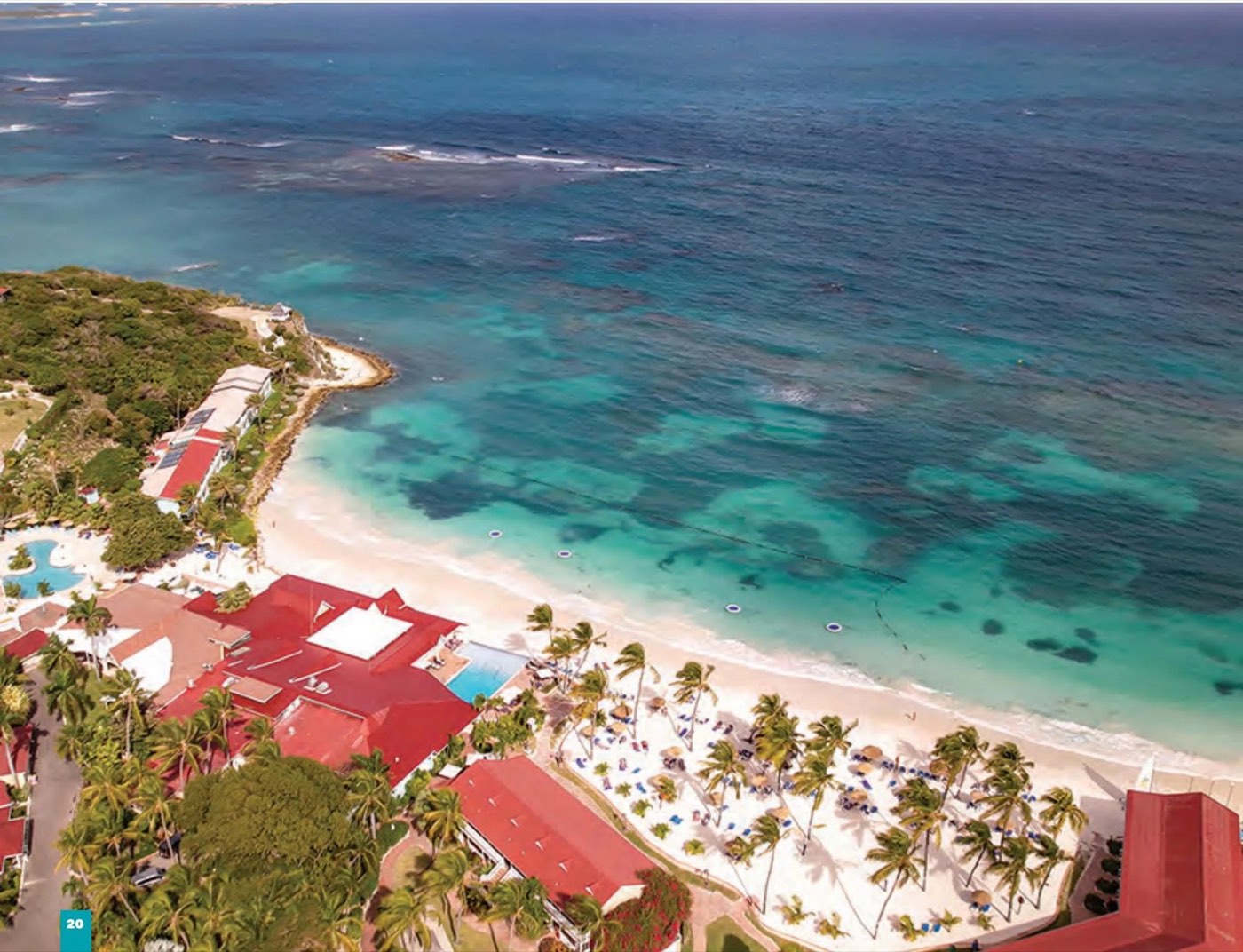
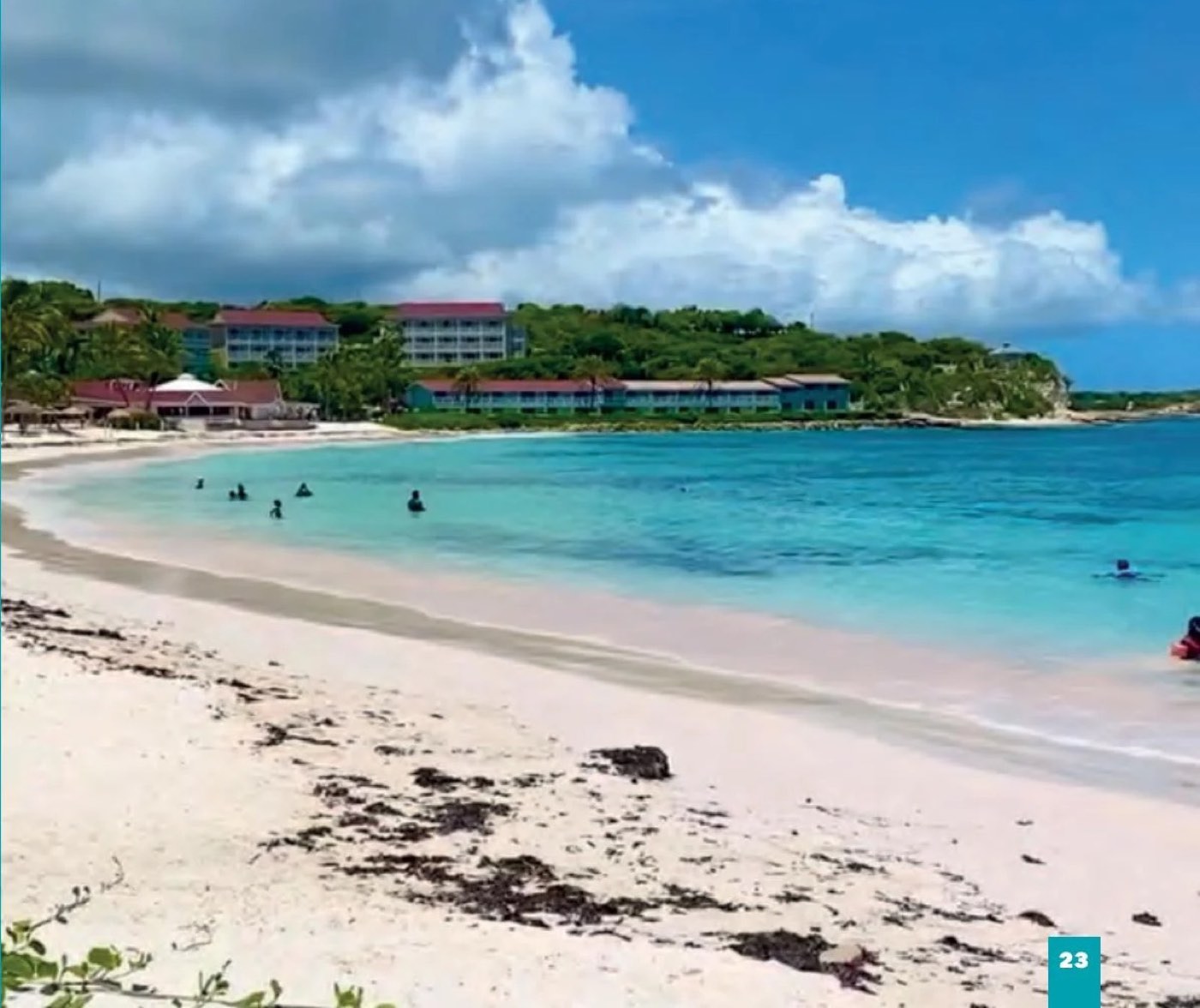
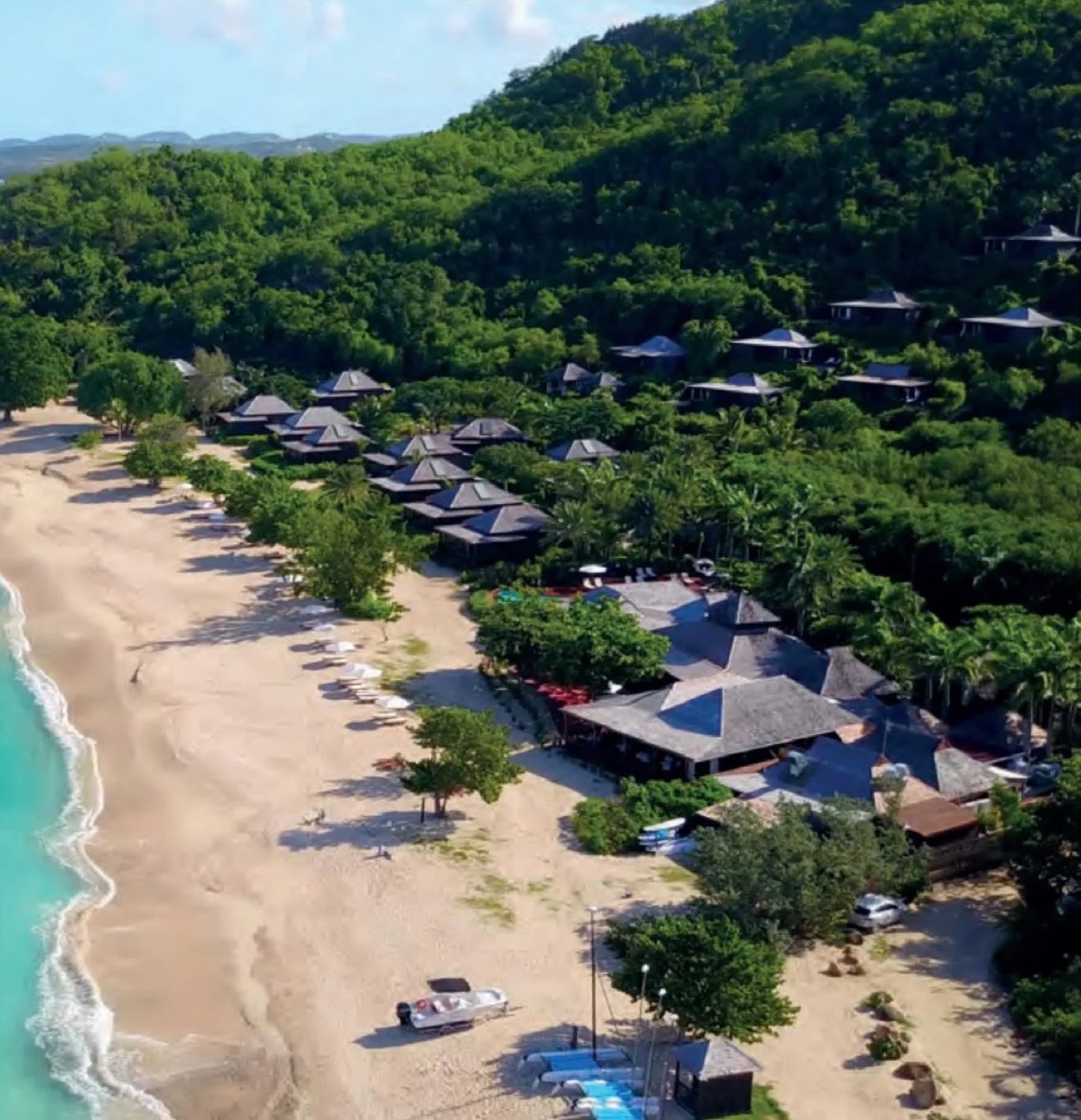
Amenities like sunbeds and beach umbrellas generally come with a rental fee. Typically, sunbeds cost around US$20 per day, and umbrellas US$10 per day, a small price to pay for a day of relaxation on one of the world's most beautiful coastlines. But be prepared and make sure you bring cash.
Electrical outlets
The electrical voltage in Antigua & Barbuda is usually 220V, so check the voltage requirements for your electronic devices and bring a transformer (not just an adapter) for any sensitive electronics.
Wildlife and nature
Mosquitoes and red fire ants are common, so it's wise to protect yourself, particularly at dawn and dusk, by wearing long sleeves and using insect repellent. If you're allergic to insect bites, packing antihistamines is a good precaution.
Island time
Finally, embrace the relaxed pace of island life. Things might move a little slower than you're used to, but that's part of the charm. Whether it's waiting a few extra minutes for a meal or taking your time to explore a secluded beach, let the island's rhythm guide you, and you'll find yourself unwinding in no time.