Sometimes the most important stories are not to be found in literature but in timber, brick and stone. Those kinds of stories must be carefully unearthed and conscientiously preserved in order to honour the past and take forward lessons for the future.
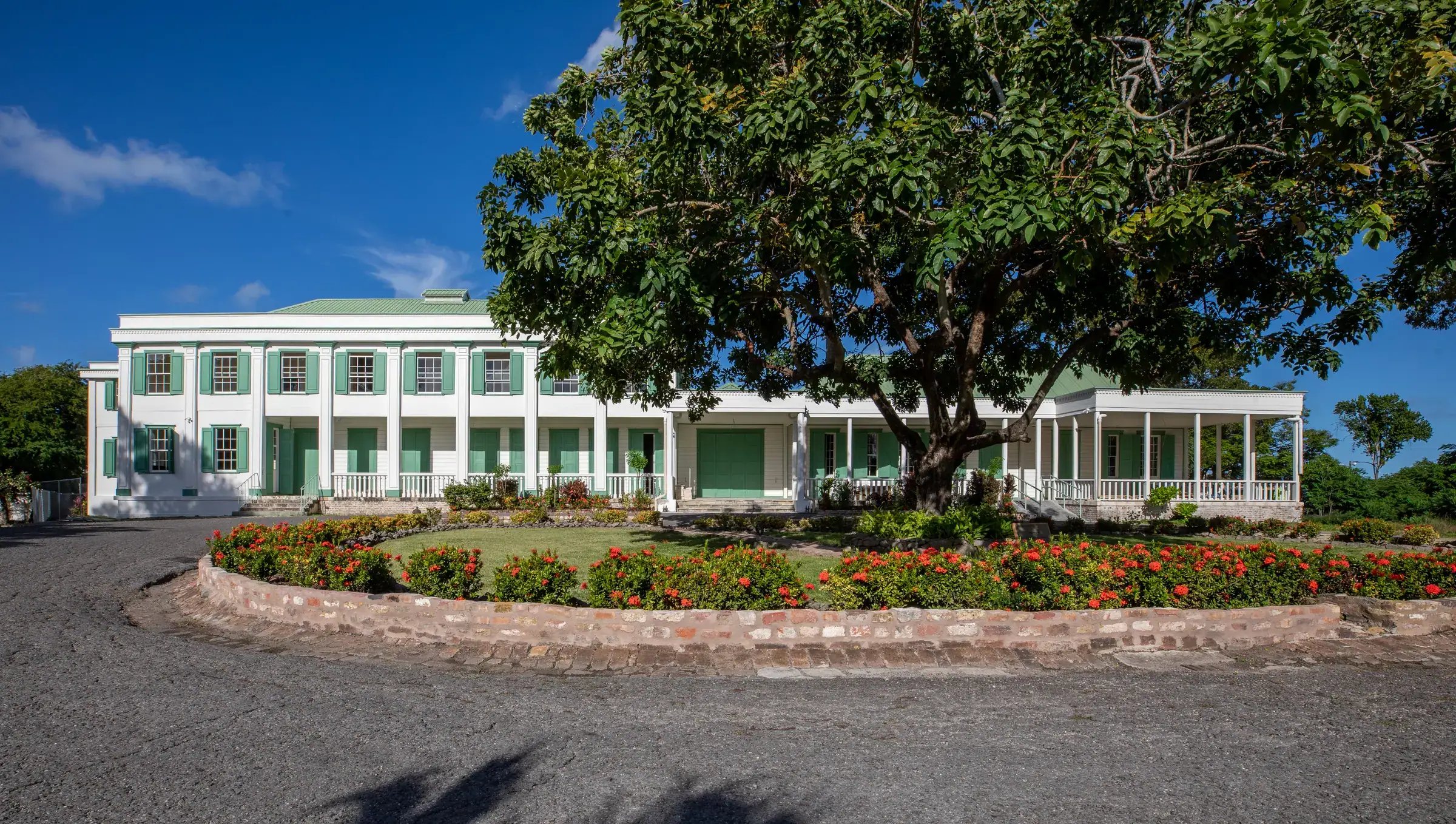
Government House was once the epicentre of authority in Antigua & Barbuda, the headquarters of colonial power during the days of slavery. As the Governor-General's official residence since 1811, it was also where state functions were staged and visiting royalty hosted.
But hurricanes, earthquakes, heat and neglect took their toll over the years and the grand building fell into disrepair. Its centuries-old paintings faded, the historic furniture became ridden with termites, and the flooring was so rickety a former British Commissioner's high heels once went straight through the boards.
A three-year restoration
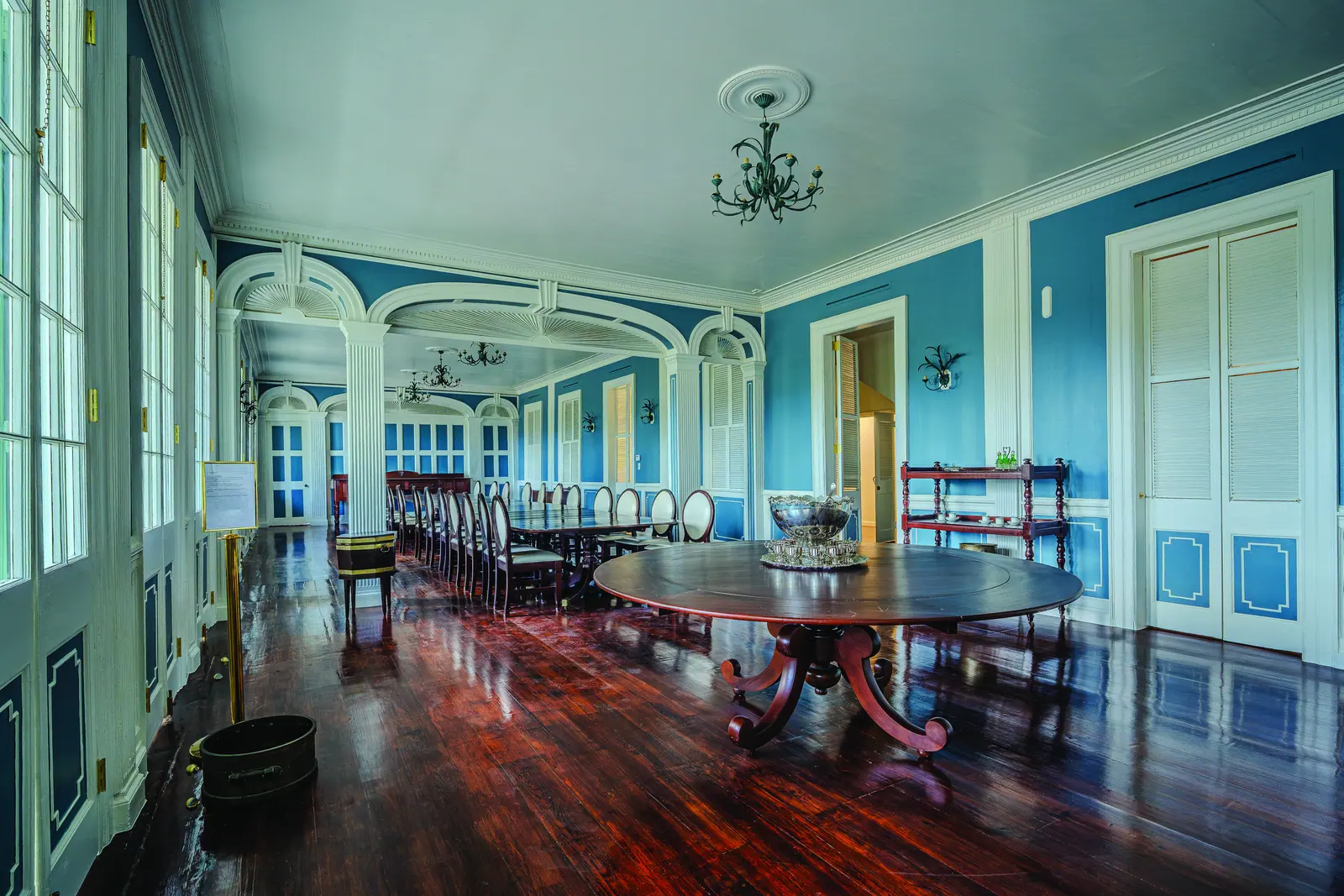
Now, an intense three-year renovation has resurrected the building's former splendour and brought it back into use for official events. A skilfully curated first-floor museum gives an unflinching account of the nation's story, from early British rule through emancipation, independence and finally to modern-day democracy.
The property started life as two separate entities, a parsonage and the private home of a legislative assembly member, that were later merged, explains Dr Gabriella Howell MBE, Director for Historic Conservation.
Government House was not the first project of its kind that Dr Howell had worked on, having previously overseen the renovation of the 17th-century Great House at Mercers Creek, a former sugar plantation.
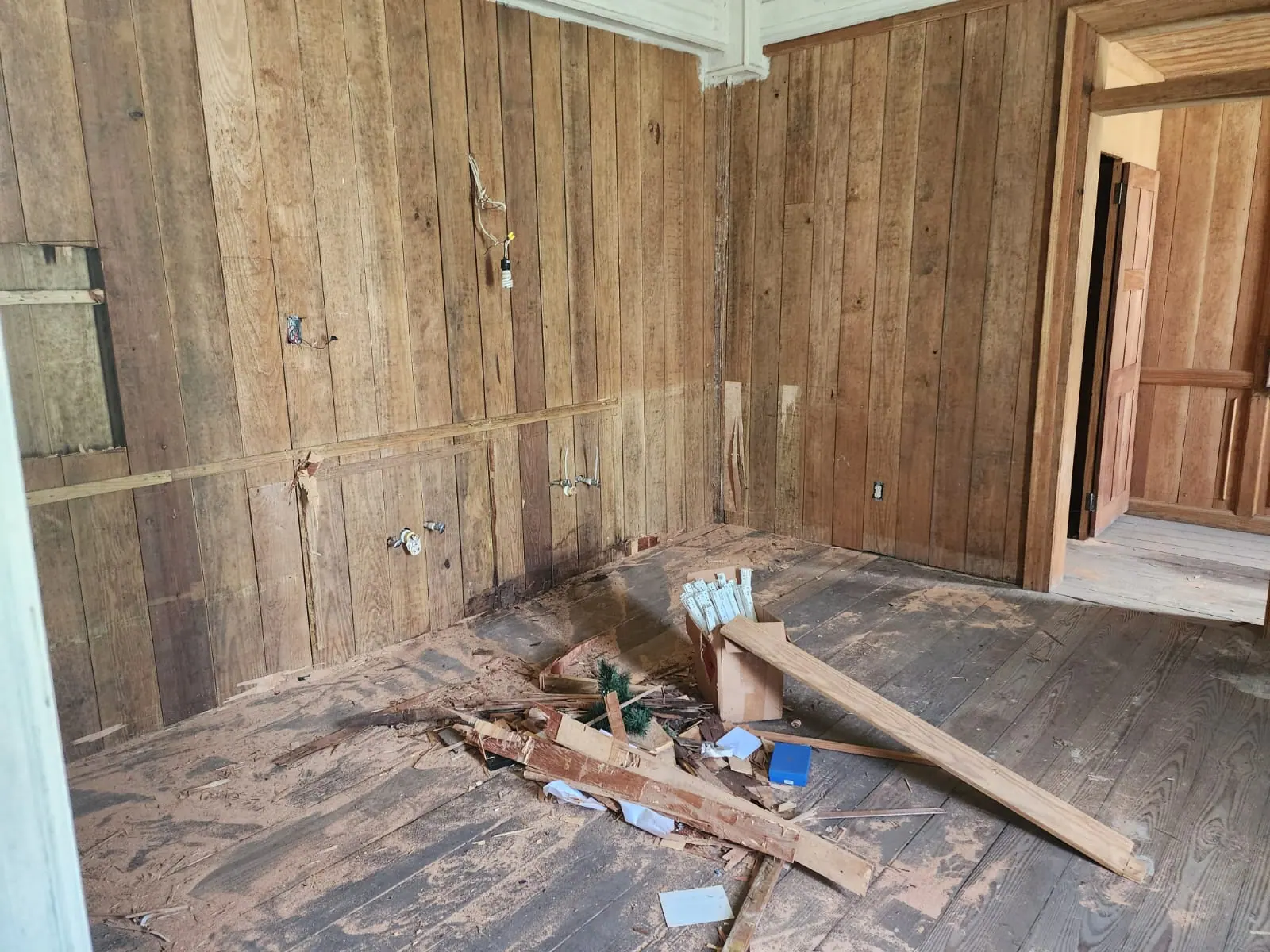
“One of the biggest challenges with Government House was not knowing what was under the floorboards and behind the walls,” she explains.
Previous, failed restoration efforts had resulted in the upstairs rooms being condemned.
“No one but mice, rats and cats had been up there since,” Dr Howell continues. “The roof ties had almost entirely disintegrated, and the ring beams holding the whole of the upper floor were completely termite-ridden; when we took off the dining-room ceiling, the rooms above were practically floating.”
Furniture, art and engineering
Project Manager Janey Howell lent her expertise in historic furniture to the weighty task of restoring the property's centuries-old pieces. The original sash windows were also delicately remodelled, and painstaking repairs carried out to the prized art collection, including an early 20th-century painting of Edward VII and Queen Alexandra.
Expert engineering from local firm CG Construction proved invaluable in making the property secure again, while a team of Antiguan historians ensured the fine details of the building's past were meticulously documented. The entire project was generously funded by British entrepreneur Sir David Harrison.
Discoveries in the walls
Finds along the way included old china, pottery and glass for holding liquid and medicines. One of the most exciting discoveries was an 18th-century plaque commemorating the years Horatio Nelson lived in English Harbour. Unearthed within a wall, it was likely placed there during a previous restoration.
Telling the full story
Renovating a slavery-era property was certainly not without contention. There were some who would have preferred it to be demolished, noted current Governor-General Sir Rodney Williams.
He added: “We do not honour history by erasing it but by understanding it, preserving what's worthy and allowing the full story of our people to be told with honesty and purpose.”
“We do not honour history by erasing it but by understanding it, preserving what's worthy and allowing the full story of our people to be told with honesty and purpose.”
Sir Rodney Williams, Governor-General
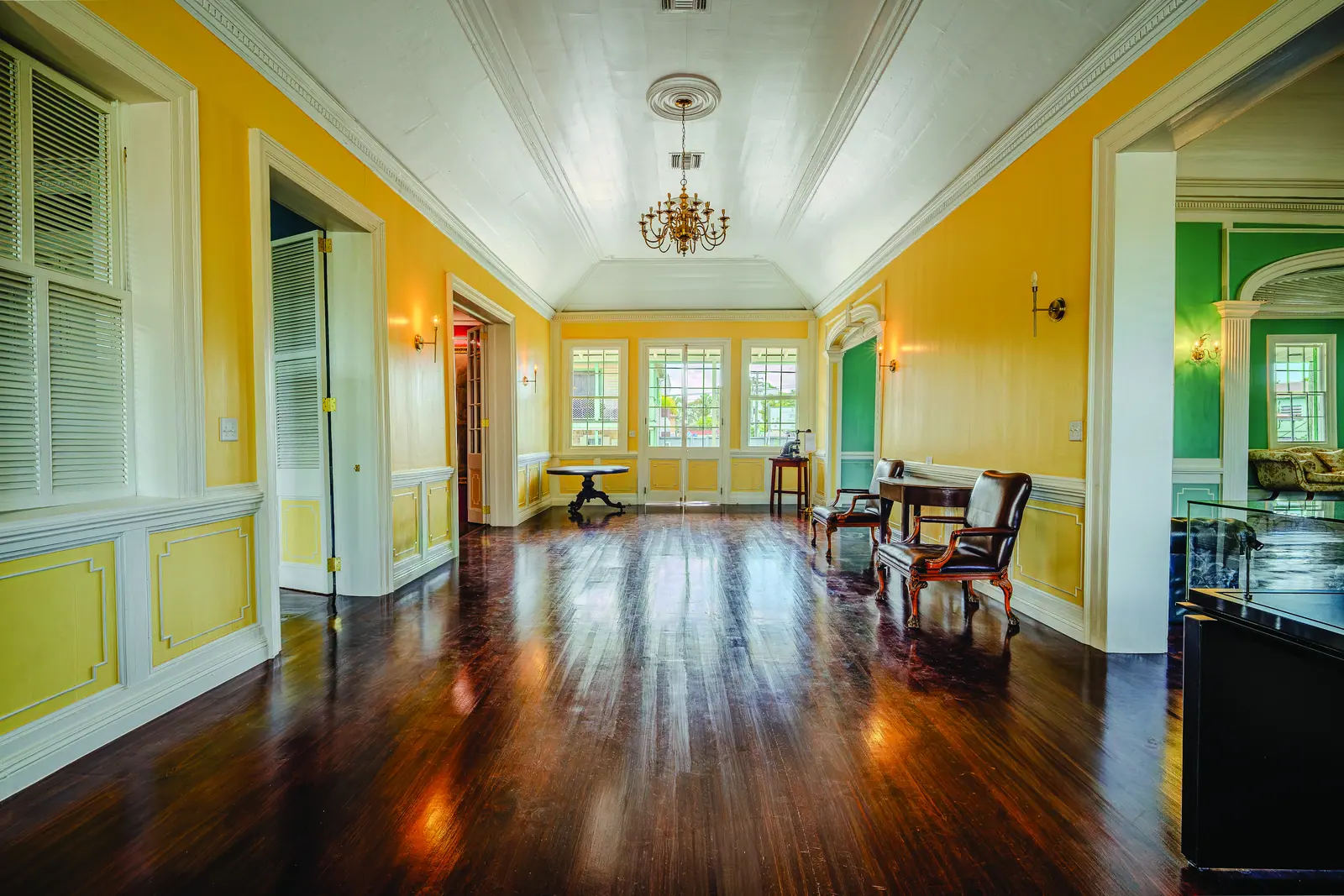
Visiting the Government House museum
The new museum seeks to do precisely that and is now open full-time to visitors. It will also host rotating temporary exhibitions, such as “Entangled Islands”, which laid bare the struggles of Irish indentured labourers in the Caribbean.
More than two centuries after its foundations were first laid, Government House today stands as a beacon of democracy and a testament to teamwork, the graceful remnants of a proud and painful past.
Visit governmenthousemuseum.ag for more details.